Preparing our flock for tupping
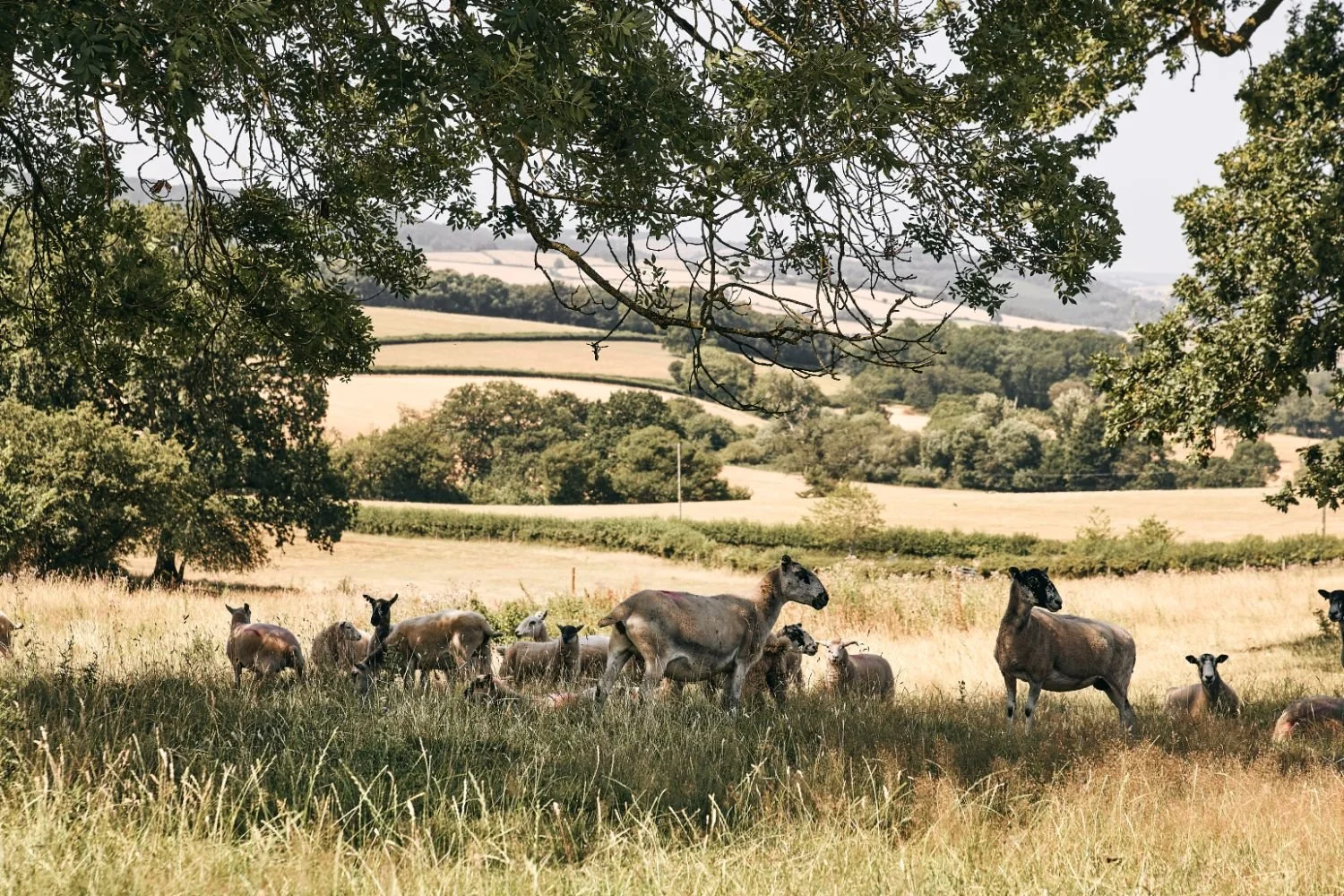
Tupping is the mating season for sheep. We introduce our ram in October, which means that (hopefully) we should have lots of lambs arrive in March!
Before our ewes are introduced to the ram, we make sure that we give them a good check-over to ensure that they are in the best health and condition.
We check the ewes' condition score – this tells us if they are a good weight to be introduced to the ram. If they are too thin, they will struggle to carry and raise a lamb; if they are too fat, they may struggle to get in lamb, and if they do, they may have difficulties giving birth.
We also check the ewes' feet, udders and teeth.
We check their teeth to make sure that they don’t have loose or worn-down teeth or any jaw deformities; problems with teeth and/or jaws will mean that the ewes can't graze to maintain condition.
Feet are checked for lameness, overgrown hooves and disease; if a ewe cannot walk properly, then she will eat less and struggle to maintain pregnancy.
Udders must be checked for lumps, hard areas, and to ensure teats are normal. Any deformities can make it hard for lambs to suckle.
Once the ewes are given a clean bill of health, we move them onto a high-quality pasture.
We have purchased two new rams this year, which have been thoroughly checked over and fertility tested. Keeping stress levels as low as possible during this period is vital, as a calm environment helps ensure successful conception and early pregnancy retention.
Preparing for tupping can take a lot of time and careful observation, but putting in the hard work now ensures a healthy flock and hopefully a successful lambing season come March.
