Preventing deer overpopulation is necessary: here’s why
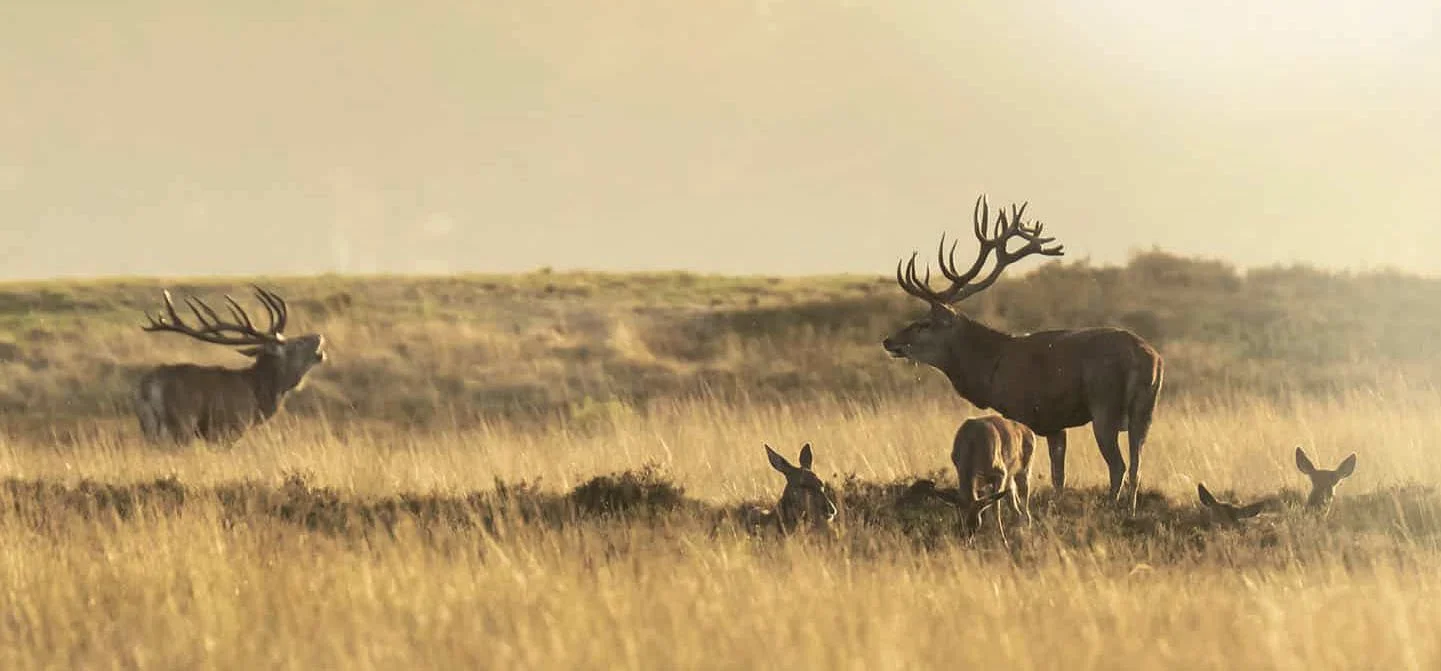
Deer are an important part of the Quantock Hills’ history and live wild, free to roam as they please.
It is wonderful to see deer on the Quantock Hills; however, the numbers must be controlled. Culling deer is necessary to protect habitats, forestry, and crops. An increased number of deer can overgraze young saplings, disrupt natural regeneration or degrade habitats.
Deer are also prolific breeders, and if their numbers are not monitored and controlled, they may become prone to starvation and disease and pose a risk of deer-vehicle collisions.
Different deer species are likely to impact in slightly different ways depending on their behaviour and grazing/browsing preferences. The two species we see on the Quantocks are red deer and roe deer. Red deer are larger, live in herds, and the males have large, branched antlers. Roe deer are small and stocky, live alone or in small family groups and have small antlers.
Red deer prefer woodlands, moors and heaths; however, roe deer prefer dense woodland and undergrowth.
The number of deer on the Quantocks is closely monitored by annual deer counts, and a management plan is put into place. We have a small team of stalkers, and culling is undertaken as part of this management plan. Deer can only be culled during certain seasons, shaped by breeding cycles, rutting periods, and welfare considerations for each species.
The deer we cull are native red and roe deer. We use them to make Crowcombe Estate venison sausages and burgers.
Other cuts of venison are available; contact us to request them.
